Practical pantry guide
Starting a Plant-Based Pantry
Build a useful plant-based pantry gradually with versatile grains, legumes, nuts, seeds, and flavor-building staples.
5 minute read
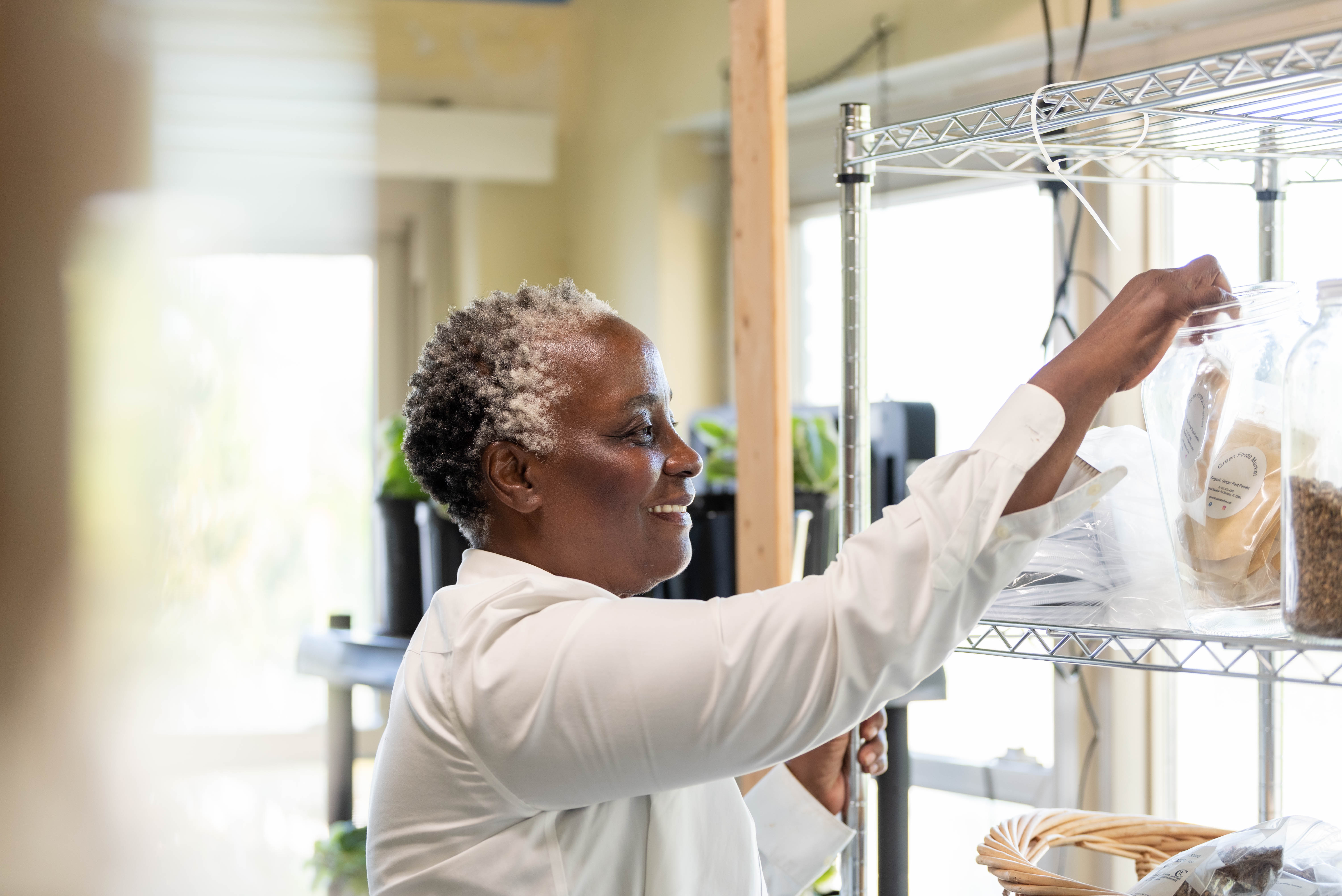
Build a working pantry, not an impressive one
A plant-based pantry does not need to arrive in one large shopping trip. Start with ingredients you already know how to use, then add one new item at a time. The goal is a small foundation that makes an ordinary meal easier.
Think in five groups: grains, legumes, nuts and seeds, flavor builders, and a few convenient backups. Choose only a couple from each group at first.
Grains for an easy base
- Oats: Useful for breakfast, baking, or a savory bowl. Rolled oats cook quickly, while steel-cut oats offer a heartier texture.
- Brown rice: A dependable base for beans, vegetables, soups, and leftovers.
- Quinoa: Quick-cooking and useful in warm bowls, salads, and stuffed vegetables.
- Whole wheat pasta: Familiar, fast, and easy to pair with tomato sauce, vegetables, beans, or a simple nut-based sauce.
Legumes for substance and flexibility
USDA MyPlate includes beans, peas, and lentils in both the vegetable and protein-food groups. Keeping a mix of canned and dried options gives you speed when needed and economy when you have more time.
- Lentils: No soaking is required. Use them in soups, curries, salads, or a simple tomato-based stew.
- Black beans: A versatile choice for rice bowls, tacos, soups, and spreads.
- Chickpeas: Use them whole, roast them, add them to soups, or blend them into hummus.
Nuts and seeds for texture and staying power
- A familiar nut: Almonds, walnuts, or peanuts work in snacks, salads, oats, sauces, and baking.
- A versatile seed: Sunflower or pumpkin seeds add crunch to bowls, salads, and baked goods.
- A nut or seed butter: Peanut butter, almond butter, or tahini can become a snack, breakfast, dressing, or savory sauce.
- Chia or ground flax: Useful in oats, smoothies, baking, and recipes that need a simple plant-based binder.
Because nuts and seeds contain natural oils, refrigeration or freezing can help preserve freshness during longer storage.
Flavor builders make the pantry useful
- Tamari or soy sauce: Adds saltiness and savory depth to stir-fries, dressings, soups, and grain bowls.
- Tomato paste: A concentrated base for sauces, soups, braises, and beans.
- Apple cider vinegar: Adds acidity that can brighten a flat-tasting dish.
- Nutritional yeast: A savory flake that works in sauces, soups, dressings, and popcorn.
- Cumin, smoked paprika, and turmeric: A compact first spice set that supports many different styles of cooking.
Your first practical pantry
Choose two grains, two legumes, one nut or seed butter, one acid, and three seasonings. Cook with that small group for a few weeks before expanding. Rebuy what you use and skip what you do not.
If you are moving toward a fully plant-based diet, talk with a qualified healthcare professional about vitamin B12 and any other nutrient needs that apply to you.